
Generational Trauma? Let’s Unlearn Generational Violence
From Genocide to Domestic and Sexual Violence Against Native Americans

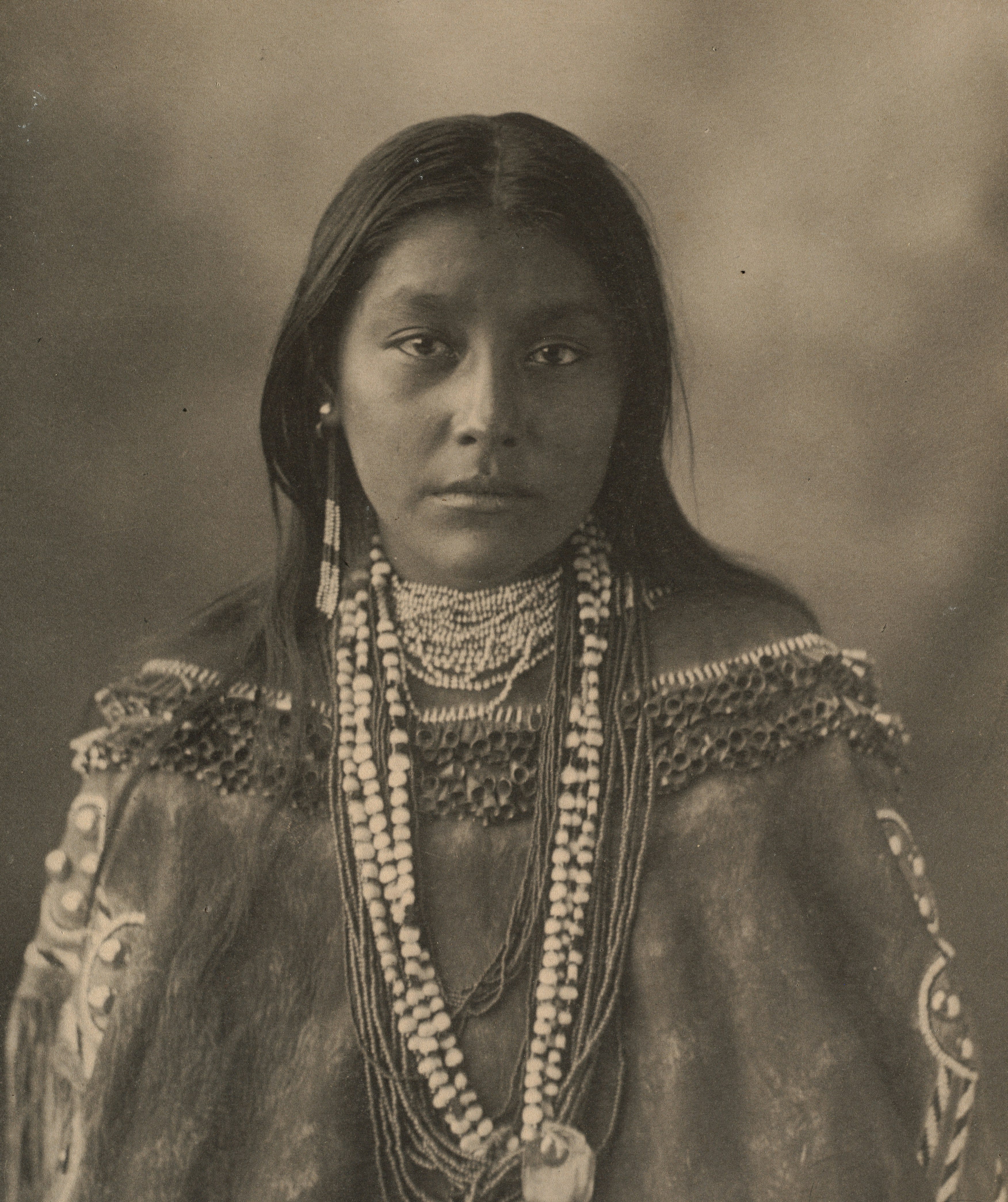
Many mental health professionals write about breaking the cycle of generational trauma.
But what about generational violence?
Like generational trauma, generational violence can also be passed down through families and through communities.
Violence against Native Americans is one type of generational violence that has been passed down through hundreds of years of American culture. We may not be repeating the exact same dehumanizing phrases coined by military leaders in the mid-1800s, but Native peoples have been living the effects of those words for the last 150 years:
Native Americans were not considered citizens of the United States until 1924.
Native Americans were not allowed to vote until 1948. (And are still fighting barriers to representation, such as discriminatory voter-ID laws and gerrymandered maps.)
Very young Native American children were systematically kidnapped by the federal government and forced into boarding schools away from their families, from the 1880s until as recently as 1978.
The long, snaking fingers of genocide still encircle Native Americans today as a result of European immigrants’ generational violence.
Native Americans Experience More Violence – from Non-Native Attackers
Native Americans are more likely to experience violence than other racial groups: statistics from the U.S. Department of the Interior say that 84% of Native women and 81% of Native men “have experienced violence in their lifetime” (“Five Things”; “Missing and Murdered”). Furthermore, statistics from the Department of the Interior show that of those 84% who experienced violence in their lifetimes, 39.8% had even experienced violence “in the year leading up to the study” (“Missing and Murdered”). Of this violence, domestic abuse is by far the most common type of violence, followed by sexual violence and stalking (“Five Things”).
Native American women and men are more likely to experience sexual or domestic violence than any other racial group. Women and men also experience such violence almost in equal numbers, which is unusual. According to the CDC’s Morbidity and Mortality Weekly Report, 47.5% of Native women and 40.5% of Native men have been victims of domestic violence during their lifetimes (Petrosky et al).
But what’s even more unusual is who the attackers are.
In other racial groups, predators and abusers are more likely to attack one of their own, i.e. most white people are generally attacked by other white people.
While Native Americans also attack other Native Americans as well, Native peoples are a racial group that is more likely to be attacked by non-Native predators and abusers. The abysmal rate of sexual and domestic violence experienced by Native American people in the 21st Century is our fault, because it’s happening right now, and because the perpetrators are overwhelmingly every race other than Natives. According to the U.S. Department of Justice, non-Native criminals are responsible for 97% of violent crimes against Native female victims and 90% of violent crimes against Native male victims (“Five Things”; Rosay). The percentage of Native victims who have also experienced violence from other Native peoples hovers around 33-35% (“Five Things”).
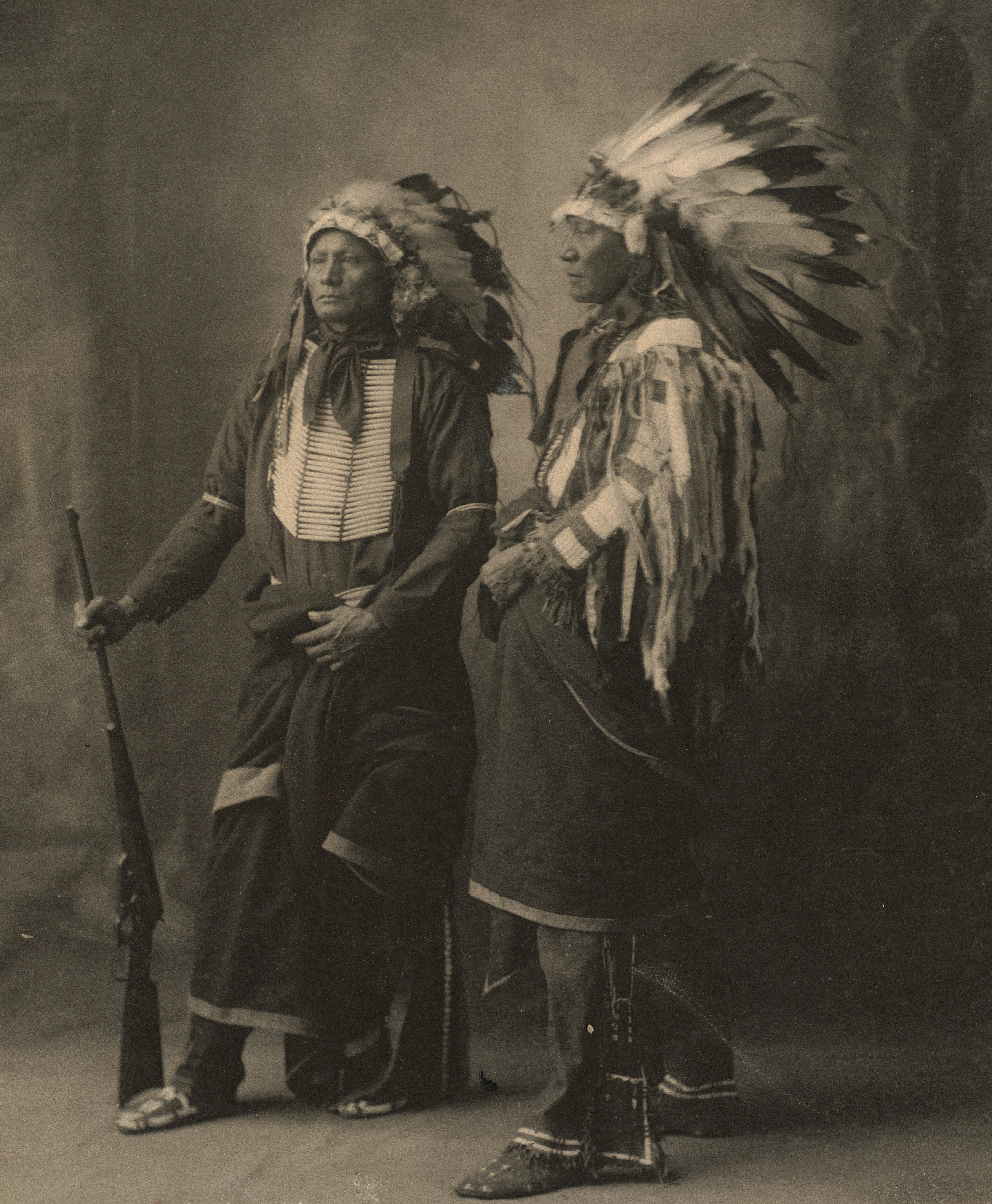
Why are people attacking Native Americans?
Because of the genocide of Native Americans, there are still deep-rooted systemic legal, societal, cultural, and historical problems that lead to higher attacks on Native Americans now, in the 21st Century.
Jurisdictional limits on have prevented tribal nations from prosecuting perpetrators even if they were caught. NBC News reports that non-Native criminals are responsible for the majority of violence against Native peoples, as those criminals have “exploited for decades” a “legal loophole”: the law that until 2022 prevented tribes from “[prosecuting] people who are not members of a tribe” (Brewer). This means that though tribes were technically supposed to be able to enforce their laws, they were effectively prevented from doing so because “non-Native Americans,” and therefore non-tribal members, “are responsible for most of the violent crimes in Indian Country (Brewer).
Lisa Brunner, a member of White Earth Nation in Minnesota whose daughter was kidnapped and raped by four non-Native men in 2011, told News21 that “many non-Native people coming onto the reservation know that law enforcement can’t touch them” (Brunner qtd in Bleir and Zolediziowski). “We as native women are hunted, we are deliberately sought after by sexual predators,” Brunner told The Center of Public Integrity (qtd in Bleir and Zolediziowski).
In 2022, when Congress reauthorized the Violence Against Women Act, it also expanded the “special criminal jurisdiction of Tribal courts to cover non-Native perpetrators of sexual assault, child abuse, stalking, and sex trafficking. . . on tribal lands” (“Fact Sheet”).
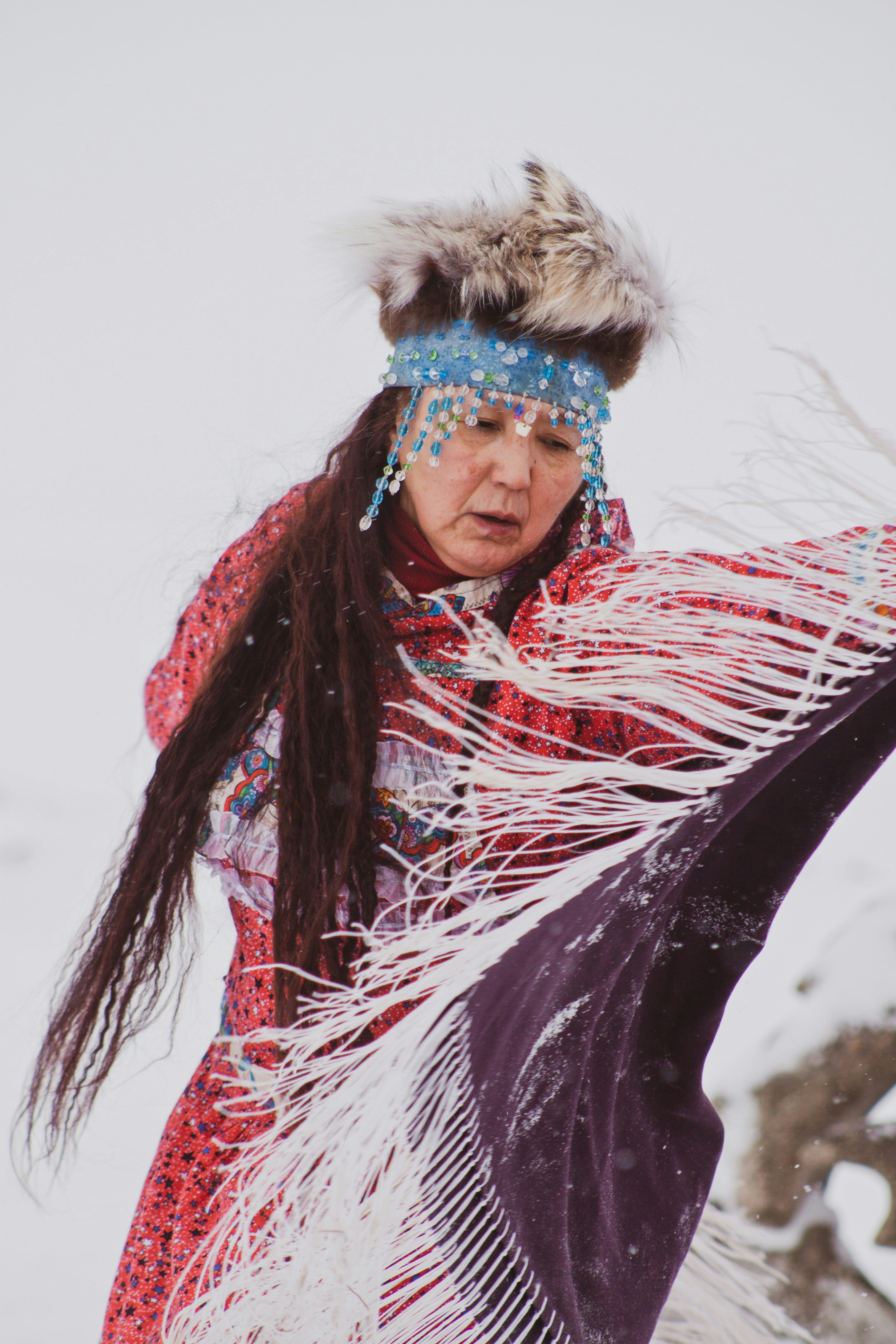
Racism and Misogyny Lead to Violence
Addressing the legal loophole is far from the only change needed to stop the violence against Native peoples, however, because Natives living on reservations are in the minority. In fact, as of 2018, over 70% of Native Americans live in American cities (Domonoske).
“This is happening to our urban women too,” said Dr. Annita Lucchesi, founder of Sovereign Bodies Institute, which researches missing and murdered Indigenous women. “It isn’t just a matter of [tribal] jurisdiction — it’s a matter of racism” (Lucchesi qtd. in Domonoske).
Like all violence, reducing sexual and domestic violence against Native peoples is a knotty problem to untangle. A slow process, with no quick fixes. We can’t show up, guns-a-blazing, to save the day Hollywood-style as we might like—and in fact, that’s the kind of attitude that is behind the genocide of Indigenous people, and it contributes to the current epidemic of violence.
Rather, what needs to change is society’s attitudes and approach to Indigenous peoples, women, and domestic and sexual violence. The epidemic of violence against indigenous people is fueled by systemic racism and misogyny, which we must pull out by the roots.
The first step towards ending systemic racism and misogyny is listening with respect. Find stories and information about Indigenous experiences written by Indigenous authors. Learn what tribes and Native peoples say they need to solve these problems. Listen to women’s accounts of violence and survival. Cultivate respect for other peoples’ perspectives and experiences, even when they are different from yours, and especially when you find those views uncomfortable or threatening.
Next, stand up for others. Don’t use dehumanizing language when referencing other people, even in jest. Call out racism and misogyny when you hear it in your community. Find out what Native peoples think about candidates or ballot initiatives in your area and support their political goals. Learn to identify the signs of sexual assault, trafficking, and domestic abuse in your community, and offer help when possible.
None of us were alive when European immigrants first landed on the eastern shores and attacked Indigenous tribes, but we are all here now, and where Native Americans have inherited generational trauma, we have inherited generational violence. Together, let’s break the cycle of violence against Native peoples.
Resources for allies:
National Indigenous Women’s Resource Center
https://www.niwrc.org/resources/special-collection/culturalcomp-humility-allies
Coalition to Stop Violence Against Native Women
https://csvanw.org/advocate-corner/
Cultural Survival
https://www.culturalsurvival.org/news/stopping-violence-against-indigenous-women?gad_source=1&gad_campaignid=1442219742
Indian Law Resource Center
https://indianlaw.org/issues/ending-violence-against-native-women
Works Cited
Bleir, Garet, Anya Zoledziowski, et al. “Murdered and Missing Native American Women Challenge Police and Courts.” Center of Public Integrity, 27 Aug. 2018, https://publicintegrity.org/politics/murdered-and-missing-native-american-women-challenge-police-and-courts/
Domonoske, Camila. “Police in Many U.S. Cities Fail to Track Murdered, Missing Indigenous
Women.” NPR, 15 Nov. 2018, https://www.npr.org/2018/11/15/667335392/police-in-many-u-s-cities-fail-to-track-murdered-missing-indigenous-women
“Missing and Murdered Indigenous People Crisis.” Bureau of Indian Affairs, U.S. Department of the Interior, 2022, https://www.bia.gov/service/mmu/missing-and-murdered-indigenous-people-crisis.
“Establishment of the Missing and Murdered Unit.” Bureau of Indian Affairs, U.S. Department of the Interior, 2022, https://www.bia.gov/service/mmu/missing-and-murdered-indigenous-people-crisis.
“Five Things About Violence Against American Indian and Alaska Native Women and Men.” National Institute of Justice, May 2016. Department of Justice, https://www.ojp.gov/pdffiles1/nij/249815.pdf.
Petrosky, Emiko et al. “Homicides of American Indians/Alaska Natives – National Violent Death Reporting System, United States, 2003-2018.” Morbidity and Mortality Weekly Report, 19 Nov. 2021. Centers for Disease Control, https://www.cdc.gov/mmwr/volumes/70/ss/ss7008a1.htm
Rosay, Andre B. “Violence Against American Indian and Alaska Native Women and Men: 2010
Findings from the National Intimate Partner and Sexual Violence Survey.” National
Institute of Justice Research Report, U.S. Department of Justice, May 2016,
*November was Native American Heritage Month. (I meant to post this five days ago.)
The way you connect historical violence, jurisdictional gaps, and modern patterns of abuse is critical. These issues aren’t random—they’re the predictable outcomes of systems built on racism, misogyny, and erasure. Your emphasis on prevention, education, and listening to Indigenous voices is exactly the kind of structural approach that’s been missing for far too long.
This distinction between generational trauma and generational violence is so clarifying, and so necessary. Trauma language often unintentionally softens what is actually ongoing, targeted violence happening in real time. Thank you for naming both the history and the present with such precision and care.